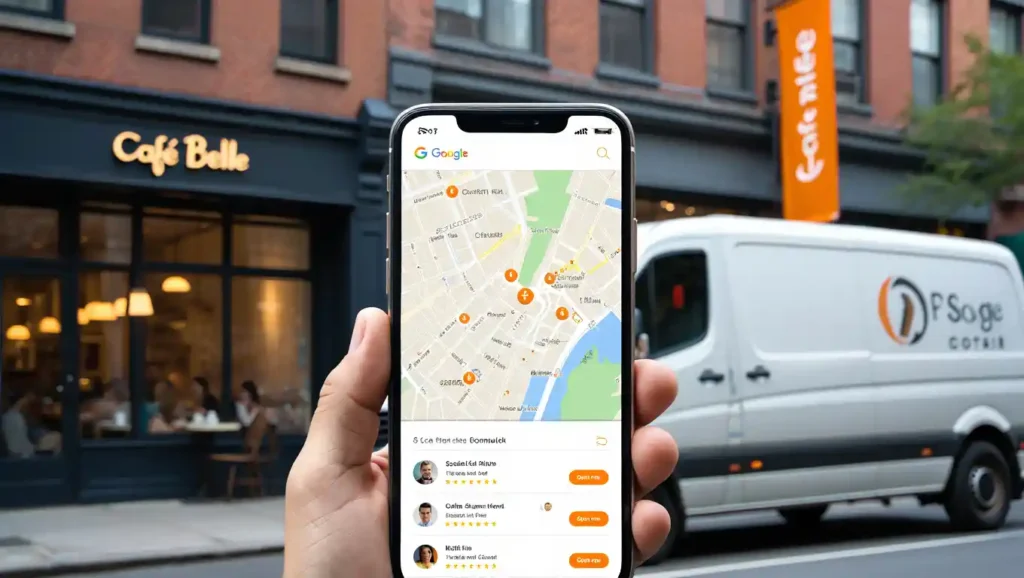


When users search for nearby businesses on Google, they usually make decisions within seconds based on what appears on their mobile screen. A local search results page is designed to quickly show maps, business names, reviews, ratings, directions, and other important details that help users compare nearby options.
Instead of reading long descriptions, most users focus on visual trust signals and quick-access information before choosing a business.
Understanding the anatomy of a local search helps explain why visibility, presentation, and business information matter so much in local SEO. Businesses that appear clear, trustworthy, and easy to access often create stronger first impressions for users searching locally.
For a broader understanding of how location-based search works, businesses can explore the fundamentals of local SEO.
What Is a Local Search Results Page
A local search results page is the section of Google that shows nearby businesses when users search with local intent. It helps users quickly find services, shops, or professionals in their area along with key details like maps, reviews, ratings, and contact information.
Unlike normal Google results that mainly display website links, local results focus more on business listings and visual information to support fast decisions.
This page is designed for mobile-first search behavior, where users often look for quick solutions while on the go. Because of nearby intent, Google prioritizes results that are geographically relevant and easy to access. Users can instantly compare options, read reviews, and choose a business without visiting multiple websites, making the process faster and more practical.
The First Things Users Notice in Local Search Results
When users open a local search results page, their attention goes to a few key visual elements within seconds. The layout is designed to highlight important business information first, helping users make quick decisions without scrolling too much.
Map Section at the Top of the Screen
The map section is usually the first element users see. It provides a quick visual overview of nearby businesses and helps users understand location proximity instantly. This top-screen visibility plays a major role in attracting attention.
Business Names and Star Ratings
Along with the map, business names and star ratings act as strong trust signals. Users often rely on these ratings to judge quality and reliability quickly before clicking or exploring further options.
How Google Displays Local Business Information
Google presents local business information in a simple and structured format so users can quickly understand key details without extra effort.
It shows the business name, reviews, and star ratings to help users judge trust and quality at a glance
The way this information appears is influenced by how Google organizes local search results and business data. Google’s guidance on local search results and rankings provides additional insight into the factors that influence local visibility.
Contact details like phone numbers and directions are also displayed for instant access, making it easy to connect or visit a location.
Opening hours and service labels further help users decide if a business is suitable. This quick-access information improves decision-making and enhances the overall user experience in local search.
Why Mobile Screens Shape Local Search Decisions
Mobile screens play a major role in how users interact with local search results because most searches happen on smartphones. The limited screen space forces users to focus only on the most important information, which leads to faster comparisons between different businesses.
Limited Screen Space Creates Fast Comparisons
Mobile-first browsing behavior encourages quick decision-making, where users scan options within seconds instead of reading detailed content.
This creates strong patterns of fast judgments based on visibility, ratings, and basic information. Users also scroll quickly, so clarity and clean presentation become essential for capturing attention and improving engagement in local search results.
The Role of Reviews in the Local Search Experience
Reviews play an important role in shaping how users interact with local search results. They often influence which business a user clicks on, as higher ratings and positive feedback create a stronger sense of trust.
Visual trust factors like star ratings and review highlights help users quickly judge a business without deep research.
Users also compare review quantity and quality before making a decision. A business with consistent positive feedback usually appears more reliable than one with fewer or unclear reviews. Because of this, ratings often become a key factor in choosing which place to visit.
What Makes Certain Listings Stand Out More
Some local listings naturally attract more attention because they present information in a clearer and more complete way. When users scan search results, they quickly notice businesses that look organized, trustworthy, and easy to understand.
Complete Business Profiles
A complete business profile helps users find all essential details in one place, such as services, location, and contact options. This improves presentation impact and makes the listing more useful compared to incomplete profiles.
Strong Visual Consistency
Consistent images, branding, and updated visuals create a more professional appearance. This helps build user confidence and signals that the business is active and reliable.
Clear Customer Information
When businesses provide updated details like hours, services, and contact information, users feel more confident in their decision.
Clear information reduces confusion and increases the chances of engagement, which is why complete profiles often receive more attention in local search results.
How Users Interact With Local Search Results
Users interact with local search results in very direct and action-focused ways because they are usually looking for quick solutions. Most users prefer tapping actions instead of reading long details, which makes engagement faster and more practical.
People often use tap-to-call options to contact a business instantly, especially when they need urgent services. Direction requests are also common as users want to visit the location without delay.
Many users visit websites from local listings to check details like services, pricing, or reviews before making a decision.
At the same time, users compare multiple businesses within seconds, scanning ratings and basic information. This behavior shows clear user intent before conversion, where decisions are made quickly based on trust, convenience, and visibility.
Common Problems Users Notice on Local Listings
Users often notice small issues in local listings that can affect their overall trust and decision-making. When business information is incomplete or outdated, it creates confusion and reduces confidence in the listing.
Incomplete or Outdated Business Information
Common problems include wrong phone numbers, missing opening hours, low-quality images, and inconsistent branding across platforms. These issues make it difficult for users to rely on the information shown in search results.
If customers cannot find accurate details quickly, they may choose another business instead.
Over time, such problems reduce trust and negatively impact user engagement, even if the business is otherwise suitable.
Why User Experience Matters in Local Visibility
User experience plays a key role in local visibility because it goes beyond just search rankings. Even if a business appears in results, users decide based on how easy and trustworthy the experience feels.
Local SEO is not only about being visible but also about presenting information clearly and making it accessible. When users find accurate details, clear visuals, and smooth navigation, they are more likely to engage with the business.
A smooth customer journey from search to action builds confidence and reduces hesitation. Accurate presentation of information such as location, hours, and services helps users make quick decisions.
Over time, businesses that focus on user experience often achieve stronger engagement, better trust, and improved long-term visibility in local search results.