

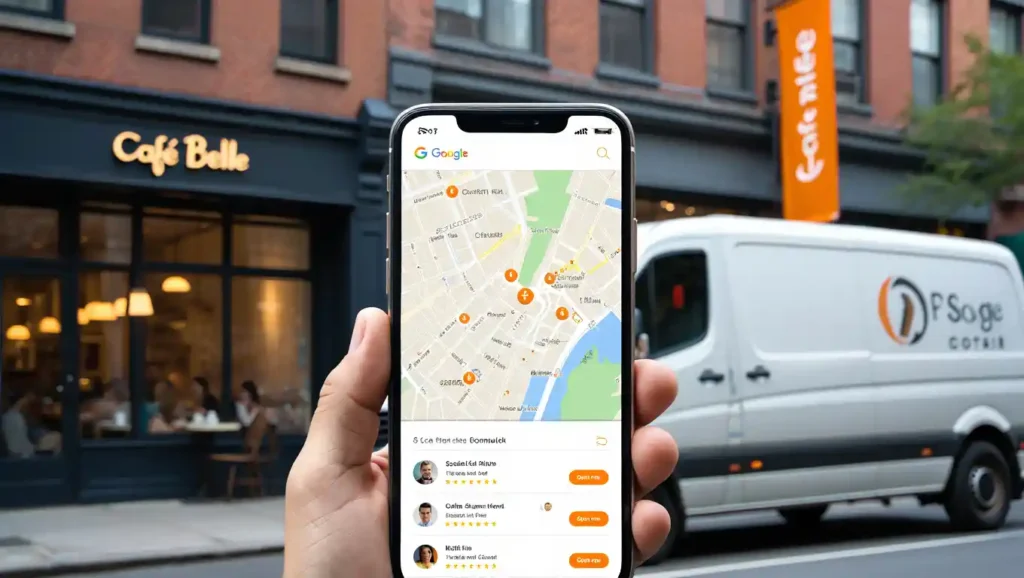
When people search for nearby services or businesses, Google shows the most relevant local results based on location and search intent. This process is known as local search, and it helps businesses connect with potential customers at the right time.
Understanding the fundamentals of local SEO improves visibility in these location-based searches. Unlike traditional SEO, it focuses more on proximity, accurate business details, trust signals, and local relevance.
Businesses that maintain a strong local presence often have better chances of reaching users who are actively searching for nearby products or services.
What Are the Fundamentals of Local SEO
Local SEO is the process of improving a business’s visibility in location-based search results. It helps Google understand where a business operates, what services it offers, and which nearby users may find it relevant. Unlike traditional SEO, local SEO focuses more on local relevance, trust signals, accurate business details, and proximity to the searcher.
When users search for nearby services, Google often displays map listings, customer reviews, business profiles, and location information before standard organic results. These features help users quickly compare businesses and choose suitable options.
How Local Search Differs From Traditional SEO
Traditional SEO targets broader audiences, while local SEO focuses on attracting users within specific locations or service areas. Rankings depend heavily on local relevance and geographic signals.
Why Google Prioritizes Nearby Results
Google aims to provide practical results that match immediate user needs. Businesses with accurate information, consistent online presence, and strong local trust signals are more likely to appear in nearby searches.
How Google Understands Local Search Intent
Google uses multiple signals to understand whether a user is searching for something locally.
It analyzes search terms, user location, device settings, and business relevance to match nearby results with user intent. Even without a city name, Google can still detect local intent automatically.
Once Google identifies local intent, it determines which local search features to display, including map listings, business profiles, reviews, directions, and organic results. Understanding these elements helps explain how users interact with local search results and why visibility extends beyond traditional rankings.
Businesses looking to understand this experience in greater detail can explore the anatomy of a local search.
For example, searches like “coffee shop near me,” “dentist open now,” or “best gym nearby” clearly show that the user wants local recommendations. Google combines these keywords with device location data to display relevant nearby businesses.
Business trust signals also play an important role in local rankings. Accurate information, positive reviews, updated profiles, and consistent contact details help Google identify reliable businesses.
By combining proximity, relevance, and trust, Google shows results that best match what users are looking for in a specific area.
Which Businesses Benefit Most From Local SEO
Businesses that serve customers within a specific geographic area usually benefit the most from local SEO. Storefront businesses and physical locations rely heavily on nearby visibility because many customers search online before visiting in person. Local SEO helps these businesses appear when users are actively looking for products or services in their area.
Storefront Businesses and Physical Locations
Restaurants, clinics, salons, gyms, retail stores, cafes, and similar businesses often depend on walk-in traffic and local discovery.
When users search for nearby options, Google highlights businesses that are relevant, trusted, and close to the searcher’s location. This visibility can strongly influence where customers decide to visit.
Modern consumers frequently compare ratings, reviews, opening hours, and directions before choosing a business. Because of this behavior, maintaining accurate business information becomes very important for local visibility.
Businesses with strong local presence and updated profiles are often easier for nearby customers to discover. Over time, consistent local optimization can help physical businesses improve trust, visibility, and customer engagement within their target areas.
Service Area Businesses and Local Visibility
Not every business operates from a public storefront, but many service area businesses still benefit greatly from local SEO. Companies such as plumbers, electricians, cleaners, repair services, consultants, and marketing agencies often travel to customers instead of serving them at a physical location.
Even without walk-in traffic, these businesses still need strong local visibility to reach nearby clients searching for their services.
Google understands that service area businesses operate differently from traditional storefronts. Instead of focusing only on a physical shop location, Google also considers the regions and areas where the business provides services.
This allows businesses to appear in local searches connected to their service coverage.
For example, someone searching for “emergency plumber near me” or “house cleaning services in London” is usually looking for a provider within their area rather than a store to visit.
Businesses with clear service information, accurate contact details, and strong local trust signals are more likely to appear in these local search results.
Core Elements That Influence Local Rankings
Several factors influence how businesses appear in local search results. Google evaluates business accuracy, relevance, trust, and overall online presence before deciding which businesses deserve stronger local visibility.
A well-optimized local presence helps search engines understand both the business and the areas it serves.
Google Business Profile Optimization
A properly optimized Google Business Profile helps Google verify important business details such as services, location, contact information, and operating hours. Updated profiles often improve visibility in map and local search results.
Consistent Business Information Across the Web
NAP consistency, which includes business name, address, and phone number, is an important local ranking factor. When the same information appears consistently across websites, directories, and listings, Google gains more confidence in the business’s legitimacy
Reviews and Local Trust Signals
Customer reviews play a major role in building local trust. Positive reviews, accurate ratings, and regular customer feedback help businesses appear more reliable to both users and search engines.
Location Focused Website Content
Website relevance also affects local rankings. Businesses that create location-focused content and clearly explain their services often provide stronger local signals. Combined with authority and trust factors, these elements help improve long-term local visibility.
Why Local SEO Matters for Modern Businesses
Local SEO has become increasingly important because modern consumers rely heavily on mobile searches to find nearby businesses and services.
People often search while traveling, shopping, or looking for immediate solutions, which means businesses with strong local visibility have a better chance of attracting potential customers at the right moment.
Local searches usually bring high-intent visitors because users are actively looking for a product, service, or business within their area. Searches such as “best dentist near me” or “open coffee shop nearby” often lead to faster decisions compared to broader informational searches.
This connection between local visibility and customer action makes local SEO valuable for many industries.
A strong local presence also helps build trust. Accurate business information, customer reviews, and visible local profiles make businesses appear more reliable and established.
Over time, consistent local optimization can improve brand recognition, customer confidence, and long-term visibility in competitive local search results.
Common Misunderstandings About Local SEO
Many businesses misunderstand how local SEO works and often assume it only benefits companies located in large cities or highly competitive urban areas.
In reality, local SEO can help businesses of all sizes, including those operating in small towns, regional markets, and suburban communities. People everywhere use Google to search for nearby services, products, restaurants, and professionals within their local area.
Whether someone needs a local plumber, dentist, repair service, or retail shop, search engines play an important role in helping customers discover nearby businesses quickly.
Local SEO Is Not Only for Large Cities
Smaller communities frequently have lower online competition compared to major cities, which creates strong opportunities for local businesses to improve visibility in search results.
Searches related to nearby stores, local services, or regional businesses still generate valuable traffic and potential customers even outside urban areas.
A properly optimized local presence can help businesses appear more visible to nearby users who are actively searching for solutions.
Rankings Alone Do Not Guarantee Customers
Another common misunderstanding is believing that higher Google rankings automatically lead to more customers. While visibility is important, user trust and overall website experience also influence buying decisions.
Customers often review ratings, testimonials, website quality, business information, and credibility before contacting a company.
Businesses that combine strong local visibility with a trustworthy online presence usually achieve better long-term results and stronger customer engagement.
How Businesses Can Build a Strong Local SEO Foundation
Building a strong local SEO foundation starts with providing accurate and consistent business information across all online platforms.
Businesses should ensure that their name, address, phone number, business hours, and service details remain updated everywhere customers may find them. This consistency helps search engines trust the business information more confidently.
Optimizing website location pages is also important for improving local relevance. Businesses should clearly explain their services, target locations, and contact information to help both users and search engines understand their local presence.
Collecting genuine customer reviews can strengthen trust and improve local credibility over time. Positive reviews often influence how users compare businesses before making decisions.
Local SEO also requires long-term consistency rather than expecting instant results. Businesses that regularly maintain their profiles, update content, and improve user experience usually build stronger visibility gradually.
Steady optimization and trust-building efforts often create more sustainable local growth over time.