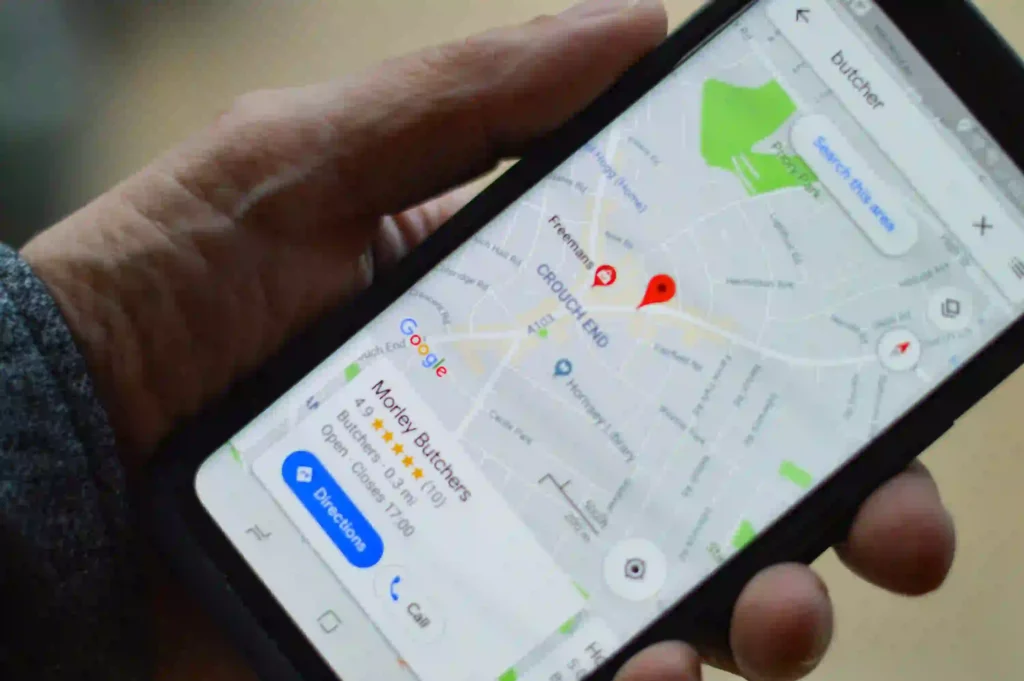


any businesses assume that Google Maps rankings are controlled entirely by their Google Business Profile. In reality, Google evaluates both GBP signals and website authority signals when determining which businesses deserve stronger Map Pack visibility.
The confusion comes from the fact that some ranking improvements happen inside the profile itself, while others are influenced by the business website. As a result, business owners often struggle to identify which system has the greater impact.
This guide compares Google Business Profile optimization and website SEO, explains how Google connects both systems, and identifies which signals typically have the strongest influence on local Map Pack rankings.
Understanding the Core Difference Between Google Business Profile and Website SEO Signals
Google Maps rankings are shaped by two interconnected systems: Google Business Profile (GBP) signals and website SEO signals. Understanding the difference between them is essential for identifying what actually drives Map Pack visibility.
What GBP Signals Actually Control in Local Rankings
GBP signals mainly control how a business appears in local search results. These include profile completeness, categories, reviews, engagement, and proximity-based relevance.
What Website SEO Signals Actually Influence in Google Systems
Website SEO signals influence broader authority and relevance. Factors like content quality, local landing pages, backlinks, and topical structure help Google evaluate trust and contextual strength across both organic and local ranking systems.
How Google Evaluates Business Profiles for Map Pack Rankings
Google evaluates Google Business Profiles based on how well they represent a real, active, and relevant business in a specific local market. The goal is to determine which listing best matches user intent and provides the most trustworthy information.
Profile Completeness and Category Accuracy
A fully optimized profile with accurate primary and secondary categories helps Google understand what the business offers and when it should appear in search results.
User Engagement and Behavioral Signals
Clicks, calls, direction requests, and profile interactions indicate real user interest and strengthen ranking confidence over time.
Trust Signals from Reviews and Activity
Consistent reviews, ratings, and ongoing business activity improve credibility and reinforce prominence, making the profile more competitive in Map Pack rankings.
How Website SEO Contributes to Local Ranking Authority
Website SEO plays a major role in building local ranking authority by helping Google understand a business beyond its Google Business Profile. It strengthens relevance, trust, and overall visibility in competitive local markets.
Website authority is only one component of local search performance. For a broader view of how different ranking systems influence Map Pack visibility, see Google Maps ranking strategy comparison guide, which compares the most common Google Maps ranking approaches.
Local Landing Pages and Keyword Intent Matching
Optimized local landing pages help align website content with specific search queries, improving relevance for location-based intent.
Internal Linking and Topical Relevance Signals
Internal linking structures guide search engines through related services and locations, strengthening topical authority across the website.
Domain Authority and External Backlinks
High-quality backlinks from trusted websites increase domain authority, which indirectly supports stronger Map Pack performance by reinforcing overall business credibility and trust signals.
Direct Comparison of GBP Signals vs Website SEO Signals
Google Maps rankings are influenced by both Google Business Profile (GBP) signals and website SEO signals, but their impact varies in speed, strength, and long-term value. Understanding this difference helps identify which system contributes more effectively in different scenarios.
Which Signals Impact Map Pack Rankings Faster
GBP signals such as reviews, profile optimization, and engagement often produce faster ranking changes compared to website SEO improvements.
Which Signals Build Long-Term Stability
Website SEO signals like backlinks, authority, and content relevance contribute more to long-term ranking stability and sustained visibility.
Where Each System Has Maximum Influence
GBP has stronger influence in direct local visibility, while website SEO strengthens overall authority and competitive positioning.
Combined Effect When Both Systems Are Strong
When both systems are optimized together, rankings become more stable, competitive, and resilient against algorithm changes.
| Factor | GBP Signals | Website SEO |
| Speed | High | Low |
| Stability | Medium | High |
| Local Impact | Very High | Medium |
| Authority Growth | Medium | High |
Scenarios Where GBP Optimization Outperforms Website SEO
In certain local SEO situations, Google Business Profile optimization can deliver stronger and faster Map Pack results compared to website SEO. This usually happens when local intent signals are highly dependent on proximity, engagement, and profile strength rather than domain authority.
Service-Area Businesses With Strong Profiles but Weak Websites
Businesses that operate in service areas often rely heavily on their Google Business Profile. When the profile is well-optimized with strong reviews, accurate categories, and active engagement, it can outperform weaker websites in Map Pack rankings.
Low Competition Local Niches
In less competitive markets, GBP optimization alone is often enough to achieve strong visibility. Basic profile completeness, consistent information, and review activity can dominate rankings without requiring advanced website SEO efforts.
- Faster Map Pack visibility through profile optimization
- Lower dependency on backlinks or domain authority
- Strong performance in small or less competitive local areas
Scenarios Where Website SEO Outperforms GBP Signals
In many competitive local markets, website SEO becomes more powerful than Google Business Profile signals because Google relies heavily on overall domain authority, content depth, and backlink strength when evaluating trust and relevance at scale.
Competitive Markets With Strong Domain Authority Sites
When competitors have strong websites with high authority backlinks and optimized content, website SEO can outweigh basic GBP optimization signals.
Businesses Relying on Organic Traffic Integration
Businesses that depend on organic search traffic often benefit more from strong SEO foundations, which indirectly improve local ranking performance as well.
Content-Heavy Industries With High Search Demand
In industries like legal, real estate, and digital services, content-driven SEO plays a major role in establishing authority and supporting Map Pack visibility.
- Strong backlink profiles improve overall trust signals
- Content depth increases relevance across multiple queries
- Domain authority strengthens competitive positioning
Website SEO is not the only authority signal considered in local rankings. The relationship between profile optimization and citations is explored in GBP optimization versus citation building analysis, which explains their relative impact on Map Pack performance.
Final Breakdown: Which System Matters More for Map Pack Rankings
In Google Maps rankings, neither Google Business Profile signals nor website SEO works in isolation. The final outcome depends on context, competition level, and the strength of each system in a specific market scenario.
Situations Where GBP Signals Become the Deciding Factor
GBP signals become dominant when local intent is strong and competition is moderate. In these cases, reviews, engagement, and profile optimization can directly influence Map Pack placement.
Situations Where Website SEO Overrides Profile Strength
Website SEO becomes more powerful in highly competitive markets where domain authority, backlinks, and content depth determine trust and long-term ranking stability. Strong websites can reinforce or even outperform weaker GBP profiles depending on overall authority signals.
Combined Strategy Model for Maximum Map Pack Performance
A combined strategy model integrates Google Business Profile optimization with website SEO to create stronger and more stable Map Pack rankings. Instead of relying on one system, both are aligned to reinforce each other’s signals.
Aligning Website Content With GBP Categories and Services
Website content should match GBP categories and services to improve relevance and strengthen Google’s understanding of the business.
Using Location Pages to Strengthen GBP Relevance
Location-specific landing pages help reinforce geographic signals and improve local search matching for the business profile.
Building Review Signals That Support Both Systems
Customer reviews should reflect services and locations to support both GBP credibility and website trust signals.
Creating Consistent NAP and Trust Across Platforms
Consistent Name, Address, and Phone details across all platforms improve trust and reduce ranking confusion.
How Integrated SEO Produces Long-Term Ranking Stability
When GBP and website SEO work together, businesses achieve stronger authority, improved visibility, and more stable long-term Map Pack performance.
- Unified local SEO structure improves rankings consistency
- Better alignment between website and GBP signals
- Stronger trust signals across Google ecosystem
- Higher resilience against algorithm updates
- Improved Map Pack competitiveness in dense markets