
On-Page SEO
On-page SEO is where strategy becomes visible on the page, how your titles, headings, structure, and content work together to tell search engines what a page is about and tell visitors why they should stay. Thrive SEO NYC provides on-page SEO services as part of our full range of SEO services, optimizing for real search intent, not just keywords, so every page works harder for rankings and revenue.

Google recommends using the words people would search for in prominent places, your titles, main headings, alt text, and link text, along with clear structure and logical internal linking. That’s the foundation of on-page SEO, and it’s what determines whether a page gets found, understood, and trusted. A strong on-page SEO strategy helps your pages:
A surprising number of websites hide their best content from search engines without realizing it. We write titles that are specific, readable, commercially useful, and aligned with the actual page content, tighter topic alignment, better click appeal, fewer mixed signals.
Good on-page SEO should improve more than rankings. We refine page intros, proof sections, CTAs, trust signals, and FAQ blocks so visitors quickly understand what you offer, who it's for, and what to do next.
We use internal links to connect service pages, case studies, blog content, and conversion pages, making the site easier to navigate and easier for search engines to interpret. On this page alone, that means linking out to related services like Technical SEO, SEO Content Strategy, and a Website SEO Audit, exactly the kind of structure we build across your entire site.

We map one primary topic and supporting subtopics to each page, preventing keyword cannibalization so multiple pages don't compete for the same search intent. We use natural language and topical depth instead of force-matching every keyword variation into the same paragraph.
Pages need one clear H1, useful H2 sections, and subheads that actually organize the content. We clean up weak heading structures so pages are easier to scan for people and easier to understand for search engines, removing template clutter and vague sections along the way, work that pairs closely with our technical SEO services.
Images support both usability and search context when placed near relevant content with descriptive filenames and alt text. We optimize visual assets so they support the page instead of slowing it down or confusing the topic. Properly optimized images can also reinforce topical relevance while improving accessibility and overall page experience.
See what’s limiting your page performance and how stronger on-page optimization can improve visibility, relevance, and conversions across your website.

We review the purpose of each page and the search intent it should target.

We identify the terms, subtopics, and content expectations shaping the search results.
We update titles, headings, internal links, image context, and copy hierarchy.
We rewrite weak sections, strengthen topical depth, and improve CTA placement.
We watch how pages perform, then keep improving the sections that matter.
When on-page SEO is handled correctly, individual pages can become more relevant to the searches and search intent they are designed to target. Better rankings and more relevant search impressions can expand qualified visibility, while stronger titles, headings, and page structure can encourage more users to click through from search results.
Clearer service pages also reduce friction once visitors arrive, helping them understand the offer, find relevant information, and take the next step. Over time, this can contribute to better rankings, stronger organic engagement, and higher-quality leads from search.
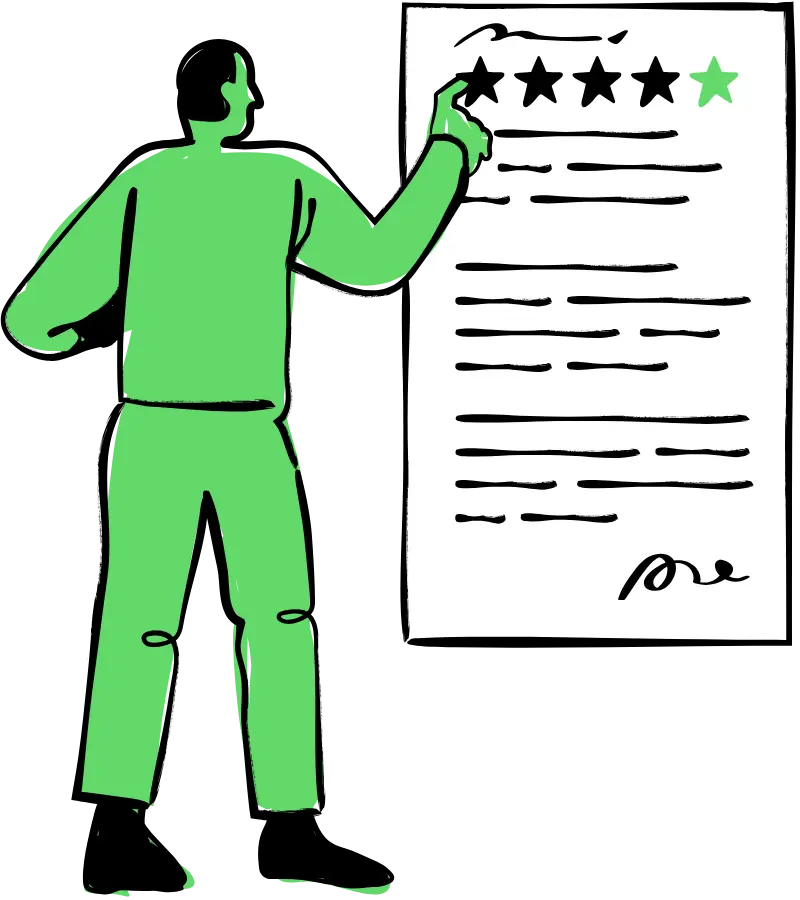


We write pages that can rank and still sound like a serious business.
Our focus isn't just traffic, it's pages that help your business generate inquiries, calls, and revenue.
We don’t optimize pages in isolation, we build relationships between service pages, supporting pages, and content assets.
Our clients receive regular reports showing keyword rankings, traffic growth, and campaign performance.
On-page SEO improves the structure and optimization of existing pages. Content marketing expands your site’s visibility by publishing new, high-value content and topic coverage. Most sites need both working together.
Yes. Google only rewrites titles in certain cases, and a clear, well-written title still gives you the best chance of controlling how your page appears in search. We write titles that hold up either way.
Yes. Strong on-page SEO doesn’t just help rankings, it improves clarity, trust signals, and calls to action, so more of the traffic you already earn actually converts.
On-page SEO focuses on content, structure, and relevance, the things a visitor and Google both read. Technical SEO focuses on the underlying site performance and crawlability that support it. We handle both together for full coverage.
Most pages see measurable improvement in rankings and engagement within 4 to 8 weeks, depending on competition and how much the page needed.
Both. We optimize existing pages that are underperforming, and we build new pages with on-page SEO best practices already built in from day one.
On-page SEO works best as part of a complete strategy. Explore the rest of our SEO services below.
Improve visibility in local search, Google Maps, and location-based searches.
Create optimized content that attracts traffic and answers customer searches.
Improve website structure, performance, and technical health for stronger rankings.
Build quality backlinks that strengthen authority and organic visibility.
Find technical issues, content gaps, and SEO opportunities affecting your rankings.
If your pages are indexed but underperforming, on-page SEO is often where the biggest gains start. Thrive SEO NYC helps businesses improve relevance, structure, and conversion strength across the pages that matter most.